

Table of Contents
- What’s the Average Cost to Build an Inground Pool?
- Inground Pool Cost by Type
- Inground Pool Installation Cost: Labor and Site Preparation
- Key Factors That Affect Your Pool Project Cost
- Inground Pool Maintenance Cost and Ongoing Expenses
- Use a Pool Cost Calculator to Estimate Your Budget
- Getting an Accurate Pool Estimate and Avoiding Budget Overruns
- Frequently Asked Questions
Last Updated: October 19, 2026
What’s the Average Cost to Build an Inground Pool?
The average cost to build inground pool ranges significantly based on pool type, size, and site conditions. Most homeowners can expect to invest anywhere from a modest baseline for simpler designs to substantially more for custom installations with premium features.
The total project cost depends on multiple interconnected factors: the pool type you choose, the dimensions and depth of your design, site preparation requirements, local permitting, and labor.
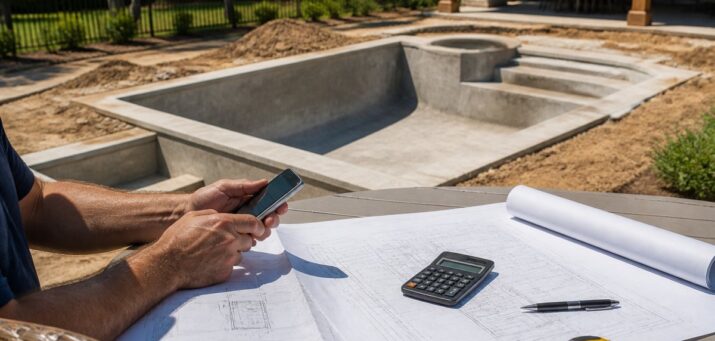
Many homeowners underestimate the cost to build an inground pool because they focus only on the structure itself. The reality is more nuanced. Excavation, equipment installation, decking, permits, and site-specific challenges often represent 30-50% of the total project cost.
The single biggest cost variable isn’t the pool type, it’s your site. Two identical pools on different properties can have dramatically different costs due to soil conditions, drainage, and accessibility. Always get a site assessment before finalizing your budget.
Inground Pool Cost by Type
The pool type you select is one of the earliest and most consequential decisions. Each construction method has distinct cost drivers, installation timelines, and long-term maintenance implications. Understanding the differences helps you choose the right approach for your situation.
Vinyl Liner Pools
Vinyl liner pools use a flexible membrane stretched across a steel or polymer frame. This construction method typically represents the most affordable entry point for inground pool ownership. The vinyl liner itself is replaceable, usually lasting 7-10 years before requiring replacement.
Vinyl liner pools generally cost less to install because the construction process is straightforward: excavate, install the frame structure, add the liner, and connect equipment. Labor requirements are moderate compared to concrete pools. The frame can be steel (more durable) or polymer (lighter, easier to install).
A common mistake is assuming vinyl liner pools are fragile or temporary. Modern liners are engineered for durability and UV resistance. The real consideration is the replacement cost when the liner eventually wears out. Factor this into your long-term ownership expectations.
Vinyl liner pools offer the lowest initial installation cost and fastest construction timeline, making them ideal for homeowners prioritizing affordability and quick project completion.
Fiberglass Pools
Fiberglass pools are pre-manufactured shells installed into an excavated hole. The shell arrives as a complete unit, which means faster installation, often completed in 3-5 days. The surface is smooth, non-porous, and resistant to algae growth.
The installation cost for fiberglass pools falls between vinyl liner and concrete. You’re paying for the manufacturing precision and the convenience of a finished shell. What you save in construction time, you invest in the shell itself. Fiberglass pools are durable and require less ongoing chemical maintenance than other types.
One limitation worth noting: fiberglass pools come in standard shapes and sizes. If your vision requires a custom layout, curved edges, or specific dimensions, fiberglass may not accommodate it. The pool type works best when your design goals align with available shell options.
Concrete and Gunite Pools
Concrete and gunite pools offer complete design flexibility. Gunite (sprayed concrete) allows builders to create any shape, size, or depth you envision. This is the pool type when you want a custom design that reflects your specific backyard layout and aesthetic preferences.
Concrete and gunite pools cost more to install because they require skilled labor, multiple construction phases (excavation, forming, spraying, finishing, curing), and longer project timelines. The construction process typically spans 4-8 weeks. However, the durability and customization justify the investment for many homeowners.
The surface finish matters significantly. Plaster (the most common) requires periodic resurfacing every 7-10 years. Aggregate finishes (pebble, quartz) last longer and feel different underfoot but cost more upfront. These finish choices directly impact both initial cost and long-term maintenance expenses.
Concrete pools require professional-grade construction. Improper curing, inadequate reinforcement, or poor drainage can lead to structural failure, cracking, and costly repairs. This is not a DIY project, hire a licensed contractor with proven gunite experience.
| Pool Type | Installation Timeline | Surface Durability | Design Flexibility | Maintenance Intensity |
|---|---|---|---|---|
| Vinyl Liner | 1-2 weeks | 7-10 years | Limited (standard shapes) | Moderate |
| Fiberglass | 3-5 days | 15-25 years | Limited (pre-manufactured) | Low |
| Concrete/Gunite | 4-8 weeks | 10-15 years (varies by finish) | Unlimited | Moderate to High |
Inground Pool Installation Cost: Labor and Site Preparation
Labor represents a substantial portion of your total project cost. Installation labor includes excavation, equipment setup, plumbing and electrical connections, finishing work, and testing. Site preparation, clearing, grading, and addressing soil conditions, often runs parallel to construction and can introduce unexpected costs.
Excavation is the first major labor phase. The crew removes soil, manages drainage, and prepares the foundation. In areas with rocky soil, clay layers, or poor drainage, excavation becomes more complex and time-intensive.
Equipment installation involves pool pumps, filters, heaters, and circulation systems. This work requires licensed electricians and plumbers in most jurisdictions. Proper installation ensures efficient operation and compliance with local codes. Cutting corners on equipment installation can lead to poor water quality, equipment failure, and expensive repairs.
The average cost to build inground pool includes all labor phases from start to finish. Experienced contractors provide itemized labor breakdowns so you understand what each phase costs and why.
Request a detailed labor breakdown from your contractor. Labor should be itemized by phase (excavation, framing, finishing, equipment, electrical, plumbing). This detail prevents surprises and ensures you’re comparing apples-to-apples between contractor quotes.
Key Factors That Affect Your Pool Project Cost
Beyond pool type, several variables directly influence your total project cost. Understanding these factors helps you anticipate expenses and make strategic decisions about your design.
Pool Size, Shape, and Depth
Larger pools cost more because they require more materials, longer construction time, and more powerful equipment. A 20×40-foot pool costs significantly more than a 15×30-foot pool, not just for the additional surface area, but for structural requirements and equipment sizing.
Depth affects cost in multiple ways. Deeper sections require additional excavation, more reinforcement in concrete pools, and more powerful circulation equipment. A pool with a deep end (8+ feet) for diving costs more than one with uniform shallow depth.
Custom shapes, kidney-shaped, irregular layouts, integrated spas, require more complex formwork and labor. Simple rectangular pools are the most cost-effective design because they minimize waste and simplify construction. Every deviation from a rectangle adds cost.
Permits, Safety Requirements, and Local Codes
Permitting requirements vary by jurisdiction but typically include safety inspections, electrical inspections, and plumbing inspections. Permit costs themselves are usually modest, but the compliance work they require can be substantial. Many jurisdictions mandate specific fencing, gate hardware, drain safety devices, and electrical grounding.
According to the Consumer Product Safety Commission’s pool safety guidelines, residential pools must meet specific drain safety standards and entrapment prevention requirements. These compliance measures add cost but are non-negotiable for safety and legal compliance.
Local codes often specify setback distances from property lines, maximum deck slopes, and electrical outlet placement. Understanding these requirements before design finalization prevents costly redesigns. A licensed contractor familiar with local codes can incorporate compliance into the initial design, avoiding expensive modifications later.
Site-Specific Risks and Excavation Challenges
Not all sites are equal. Soil composition, groundwater levels, and existing underground utilities create variable challenges. Rocky soil requires specialized excavation equipment and takes longer. High water tables complicate drainage and may require dewatering during construction.
Utility location is critical. Hitting electrical lines, gas lines, or water mains during excavation causes project delays, safety hazards, and potentially severe costs. Always have utilities marked before excavation begins. Most jurisdictions provide free utility location services, use them.
Slope and drainage patterns on your property affect pool placement and may require grading work or drainage systems. Properties with poor natural drainage may need French drains or sump pump systems to prevent water accumulation around the pool. These additions increase project cost but prevent long-term structural problems.
Inground Pool Maintenance Cost and Ongoing Expenses
The cost to build an inground pool is just the beginning. Ongoing maintenance and operational expenses continue throughout pool ownership.
Weekly maintenance includes chemical testing and adjustment, skimming debris, and equipment inspection. Many homeowners handle basic maintenance themselves, but professional maintenance programs save time and ensure consistent water quality.
Seasonal costs vary. Winter preparation in colder climates includes draining, equipment winterization, and cover installation. Spring opening requires chemical balancing, equipment startup, and inspection.
Equipment replacement is inevitable. Pumps, filters, heaters, and other components have finite lifespans. Budget for replacement costs as equipment ages. Energy costs for heating and circulation continue year-round, with higher expenses during peak season.
Chemical costs depend on usage, water quality, and treatment method. Saltwater systems have different chemical requirements than chlorine systems. Proper chemical management prevents algae growth and equipment damage, making it a worthwhile ongoing investment.
Use a Pool Cost Calculator to Estimate Your Budget
A pool cost calculator helps you model different scenarios and understand how design choices affect total cost. While no calculator replaces a professional site assessment and detailed quote, these tools provide valuable starting points for budget planning.
Effective calculators account for pool type, size, depth, regional labor rates, and site conditions. They show how adding features, spas, water features, premium decking, impacts the total. This transparency helps you prioritize spending and identify where value is strongest for your situation.
When using a calculator, input conservative estimates for site conditions. If you’re unsure about excavation challenges or soil conditions, assume moderate difficulty rather than easy conditions. This approach prevents budget surprises when actual construction begins.
A pool cost calculator is a planning tool, not a binding quote. Use it to explore design options and understand relative costs, but always get a professional estimate from a licensed contractor before committing to a project.
Getting an Accurate Pool Estimate and Avoiding Budget Overruns
An accurate pool estimate requires a site visit, detailed scope review, and clear communication about expectations. Generic estimates based on square footage miss critical variables that affect actual cost.
Request itemized quotes that break costs into distinct categories: excavation, pool structure, equipment, decking, permits, labor, and contingency.
Clarify contingency allowances. Reputable contractors include 10-15% contingency for unforeseen conditions discovered during construction. This buffer prevents project stalls when unexpected challenges arise.
All About Pools & Spas provides transparent estimates that detail every cost component. We conduct thorough site assessments, understand local code requirements, and factor in site-specific challenges.
Check contractor licensing and verify insurance coverage. A licensed contractor carries liability insurance and workers’ compensation, protecting you from liability if accidents occur.
Building an inground pool is a significant investment that transforms your outdoor space into a personal retreat.
At All About Pools & Spas, we’ve guided homeowners through this process since 2004.
Frequently Asked Questions
What is the average cost to build an inground pool?
The total cost to build an inground pool depends on type, size, and site conditions. Vinyl liner pools typically represent the lower end of the price spectrum, while concrete and gunite pools cost more. Fiberglass pools fall in the middle. Installation costs include excavation, materials, labor, permits, and equipment setup. For an accurate estimate tailored to your specific project, contact a licensed pool contractor who can assess your site and provide a detailed quote.
Which type of inground pool is the least expensive to install?
Vinyl liner pools generally offer the lowest initial installation cost among the three main inground pool types. They require less excavation and specialized equipment compared to concrete or fiberglass options. However, vinyl liners need replacement every 7-10 years, which is an ongoing maintenance expense. Fiberglass pools cost more upfront but may offer lower long-term maintenance costs, while concrete pools require the highest initial investment but provide maximum customization and durability.
How much does inground pool maintenance cost annually?
Annual inground pool maintenance costs include chemicals, electricity, equipment repairs, and professional servicing. These expenses vary based on pool size, climate, usage, and whether you maintain it yourself or hire a professional service. A maintenance program can help protect your investment and save time by handling routine tasks. Ask your pool contractor about maintenance program options and what ongoing costs you should expect for your specific pool type and size.
What factors make an inground pool more expensive?
Several factors increase inground pool costs: larger size and custom shapes, deeper depth, complex site preparation (rock removal, poor soil conditions), additional features like spas or water features, permits and local code compliance, premium finishes, and landscaping integration. Regional labor rates and contractor expertise also affect pricing. A thorough site evaluation by a licensed contractor will identify any cost factors specific to your property before construction begins.